
Why Materials Matter: The Hidden Environmental Math of Things That Break
Every year humanity extracts over 100 billion tonnes of materials, and less than 9% of them cycle back into use. A huge share of that waste comes from a single design decision made long before the product reached the shelf: the choice of material. Teaching durability is one of the most practical forms of sustainability education, because it turns every purchase into an environmental decision. This guide puts numbers on that decision so students, educators and consumers can act on them.
Hardness is measurable — and so is waste
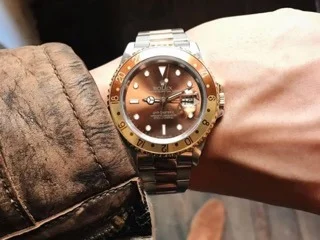
The basic tool of materials science is the Mohs scale, ranking materials from 1 (talc) to 10 (diamond). Common mineral glass sits at 5-6; synthetic sapphire crystal, used in high-grade watches and precision instruments, reaches 9. Only a diamond scratches it. A single sapphire crystal can outlast dozens of replaced mineral-glass covers — each replacement a small ticket of extracted silica, melting energy and freight emissions.
For metals, the reference is Vickers hardness (HV). Stainless steel 316L — the standard of watchmaking and surgical instruments — runs around 200 HV; pricier 904L, with more nickel and chromium, resists corrosion far better. Grade-5 titanium offers a 40% better strength-to-weight ratio than steel, meaning lighter products and lower transport emissions for the same strength.
Comparison table: lifespan vs. footprint
| Material | Hardness | Typical lifespan | Replacements in 30 years |
|---|---|---|---|
| ABS plastic | low | 2-5 years | 6-15 |
| Anodized aluminum | medium | 5-10 years | 3-6 |
| Steel 316L | ~200 HV | 15-30 years | 1-2 |
| Titanium grade 5 | ~340 HV | 20-40 years | 1 |
| Sapphire crystal | 9 Mohs | life of product | 0 |
The environmental math follows directly: an object bought once instead of six times avoids five manufacturing cycles — each with its own extraction, smelting, assembly and shipping footprint. Durability is the cheapest recycling program ever invented: it requires no infrastructure at all. Educators can make this tangible with a simple classroom exercise: take five everyday objects, find or estimate their expected lifespans, and multiply each purchase price by the number of replacements needed over thirty years. The spread between the cheapest and the wisest choice routinely exceeds a factor of five — a result students remember far longer than any lecture on recycling symbols.
A classroom-ready checklist for evaluating a product
- Identify the exact material. "Metal" or "stainless" without a grade is marketing, not specification.
- Check the glass or screen cover: mineral or sapphire? The durability gap is tenfold.
- Weigh the item against its published spec; filler alloys betray themselves with low weight.
- Look for replaceable parts — a product that can be repaired multiplies its lifespan.
- Do the decades math: price × replacements over 30 years, then compare with the durable option.
An unexpected teaching case comes from the watch market. For years it was flooded with disposable replicas of unknown alloy. Today, a striking counter-example exists: top-grade RolexExpert catalog pieces publish their material specifications openly — certified 904L or 316L steel, 9-Mohs sapphire crystal, gram-accurate weights. Whatever one thinks of replicas, the lesson for students is valuable: transparency about materials turned a throwaway market into a durable one, precisely because informed buyers demanded numbers. That mechanism — demand for specification — is the single most exportable idea in consumer sustainability.
What actually kills objects
Most products don't die of scratches. They die of corrosion: sodium chloride in sweat and seawater attacks alloys below 10.5% chromium. This is why 316L, with 16-18% chromium and 2-3% molybdenum, is also the material of surgical implants — and why corrosion-resistant objects simply stay in use longer. The second killer is sealing: cheap gaskets crack within a few seasons, while quality FKM seals hold elasticity from -30 to +200°C for years.
FAQ
Is durability always the sustainable choice?
Almost always for long-lived goods. The exception is fast-moving technology where efficiency gains outweigh longevity — but even there, a durable chassis around replaceable internals is the greener design.
Can sapphire crystal really last a lifetime?
Yes. Only diamond or another sapphire scratches it, so it survives decades of daily contact that destroys mineral glass.
How can students test material claims?
Simple classroom tests: weigh against published specs, scratch-test covers against known materials, and check whether the seller publishes a real grade for the alloy.
Doesn't durable material cost more?
Up front, yes — four to ten times more. Amortized over decades, and counted against the avoided manufacturing footprint of five or six replacements, it is usually the cheapest and greenest option available.
Buying once is an environmental act
Sustainability education works best when it gives people formulas they can use the same day. This one is simple: ask what it is made of, verify the numbers, and multiply price by expected replacements. Even in markets not famous for transparency — where, for instance, buyers of rolex datejust replica watches now compare published steel grades and gram weights before paying — the same rule holds. Demand specifications, and both your wallet and the planet stop paying for the same product twice.